by MyProject ByFranziska | Feb 11, 2023
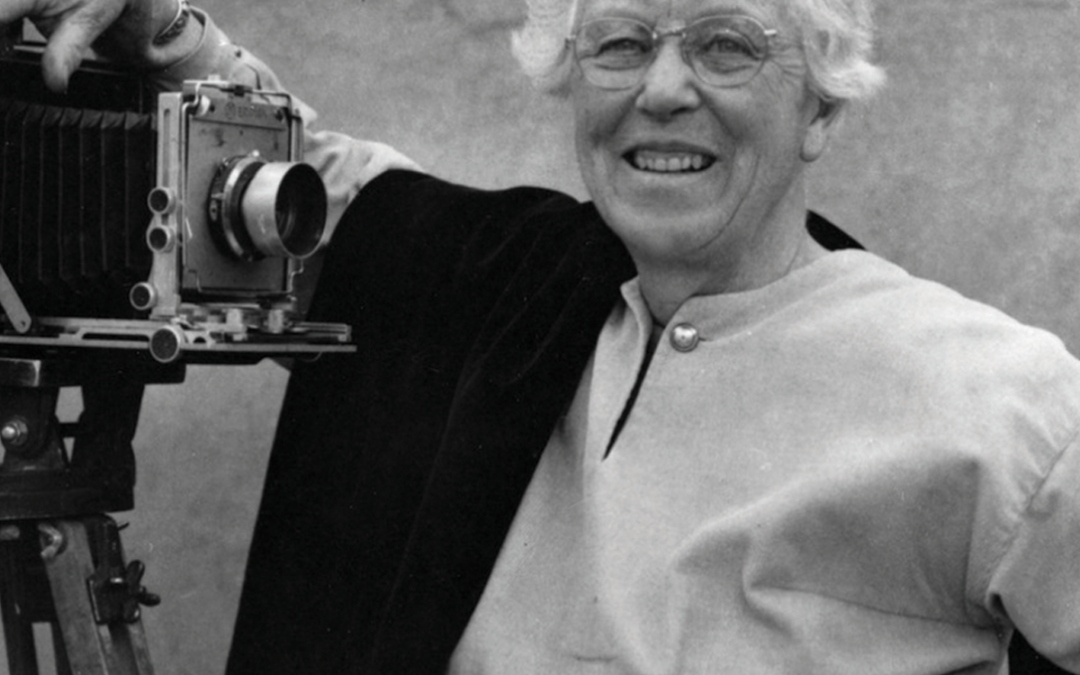
One of the foremost women photographers of the twentieth century, Laura Gilpin spent more than half a century photographing Southwest cultures and landscapes. She is renowned for her photographs of Navajo and Pueblo people. Gilpin ventured into remote landscapes...
by MyProject ByFranziska | Feb 11, 2023
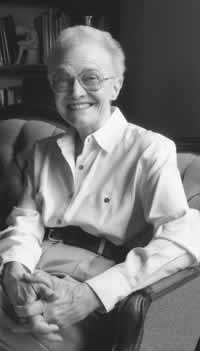
Shortly out of college, Maralyn Budke joined the staff of New Mexico’s Legislative Finance Committee in 1959. Less than ten years later, she was appointed chief of staff for the State Governor. After two years as the Governor’s chief of staff, she became the first...

by MyProject ByFranziska | Feb 11, 2023
Early in her career, Inez Bushner Gill impressed governors, legislators and journalists with her fiscal expertise. Among the original staff of the Legislative Council Service when it was founded in 1951, she served as fiscal analyst and principal staff for its finance...
by MyProject ByFranziska | Feb 10, 2023
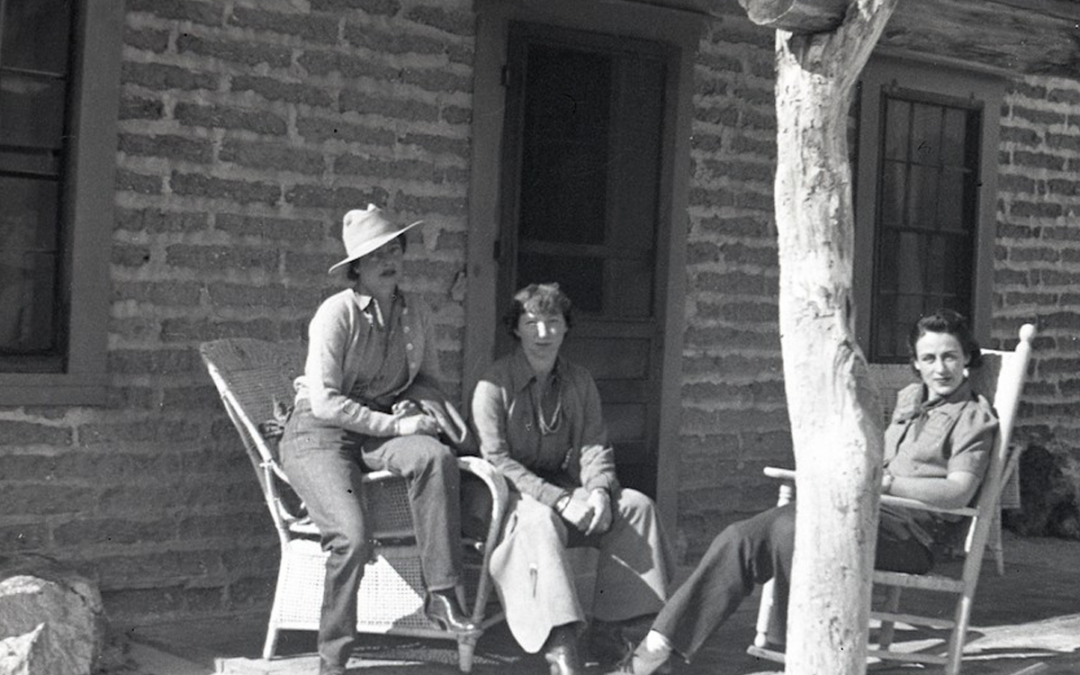
Eva Scott Fényes (1849-1930), Leonora Scott Muse Curtin (1879-1972), and Leonora Frances Curtin Paloheimo (1903-1999)—mother, daughter, and granddaughter—were three visionary women ahead of their time who were not constrained by societal codes. They were primarily...
by MyProject ByFranziska | Feb 10, 2023
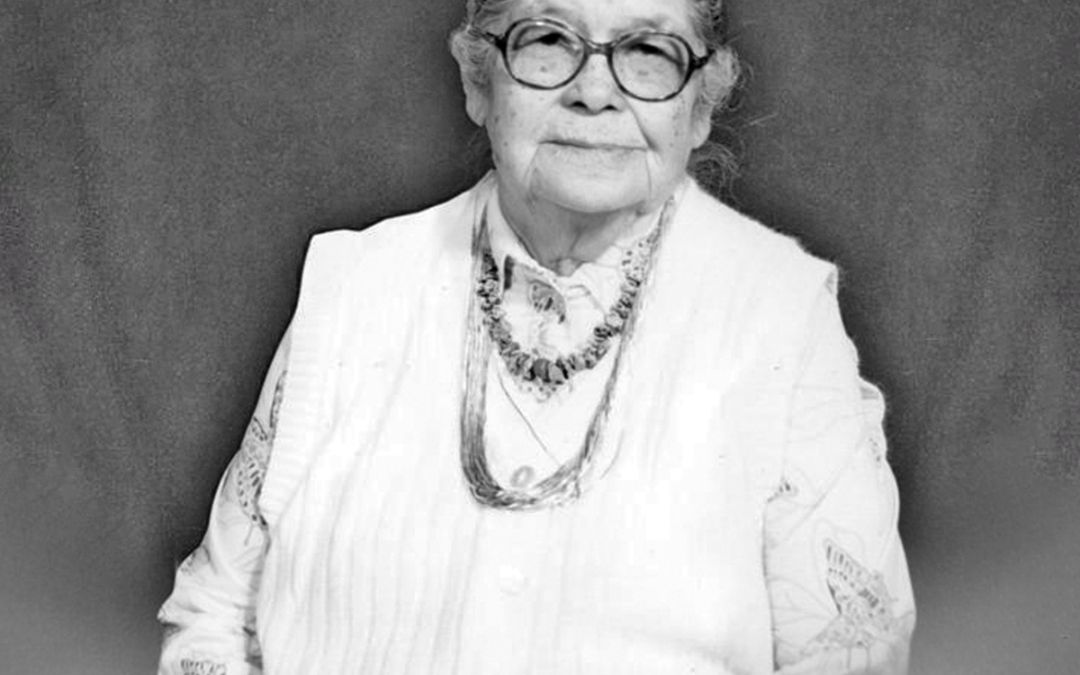
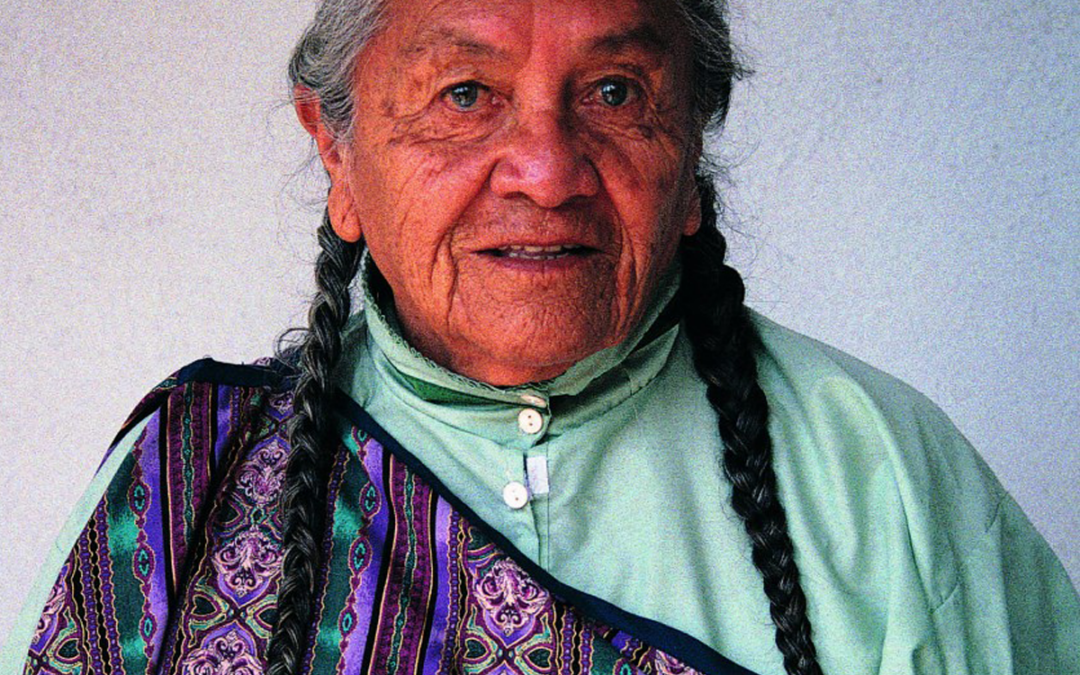
Esther Martinez was born in Utah in 1912, the year New Mexico became a state. Her father named her P’oe Tsáwä (Blue Water) after his favorite fishing hole. When she was a baby, the family moved to Colorado, where her father, whom she described as a “jack of all...
by MyProject ByFranziska | Feb 10, 2023
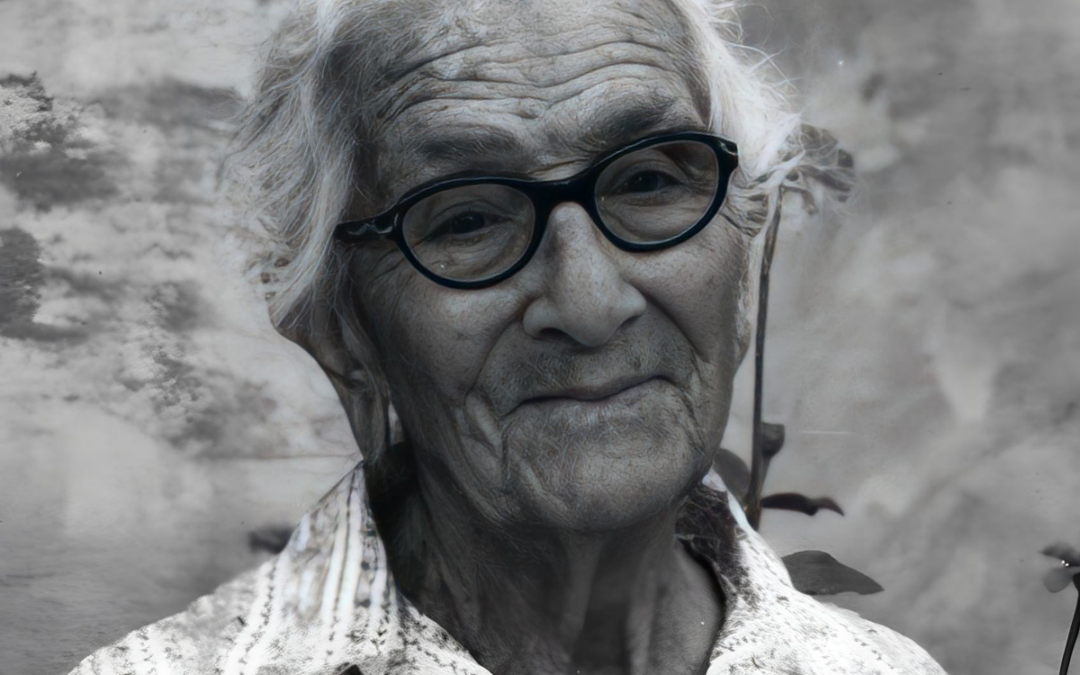
Born in 1898 in Chamita, New Mexico, Agueda Martínez learned to weave at the age of 12 and continued to improve her weaving talent until it became a source of both income and inspiration for her. She has been called the “matriarch” of Hispanic weaving in New Mexico....