
by MyProject ByFranziska | Feb 11, 2023
In the 1880s, Pueblo communities became prime destinations for tourists hoping to experience the sights and culture of the Southwest. Pueblo potters responded, creating handmade items such as pottery for tourists, adjusting size and type for those looking for a...

by MyProject ByFranziska | Feb 11, 2023
Pablita Velarde, Tse Tsan, “Golden Dawn,” was one of the most prominent Native American painters in the Southwest. Her paintings document Pueblo life and culture, and have appeared in numerous exhibitions and museums throughout the United States. Given the Tewa name...

by MyProject ByFranziska | Feb 11, 2023
In 1852 Jean Baptist Lamy, the first Bishop of the newly created Archdiocese of Santa Fe, traveled through Kentucky where he convinced six nuns to join him in New Mexico. Led by Sister Magdalen Hayden, the sisters from the order of The Friends of Mary at the Foot of...

by MyProject ByFranziska | Feb 11, 2023
Mary Cabot Wheelwright was born into the privileged society of Boston, Massachusetts. The only child of Andrew Cunningham Wheelwright and Sarah Perkins Cabot Wheelwright, she led a sheltered existence within the confines of permissible behavior for young ladies....
by MyProject ByFranziska | Feb 11, 2023
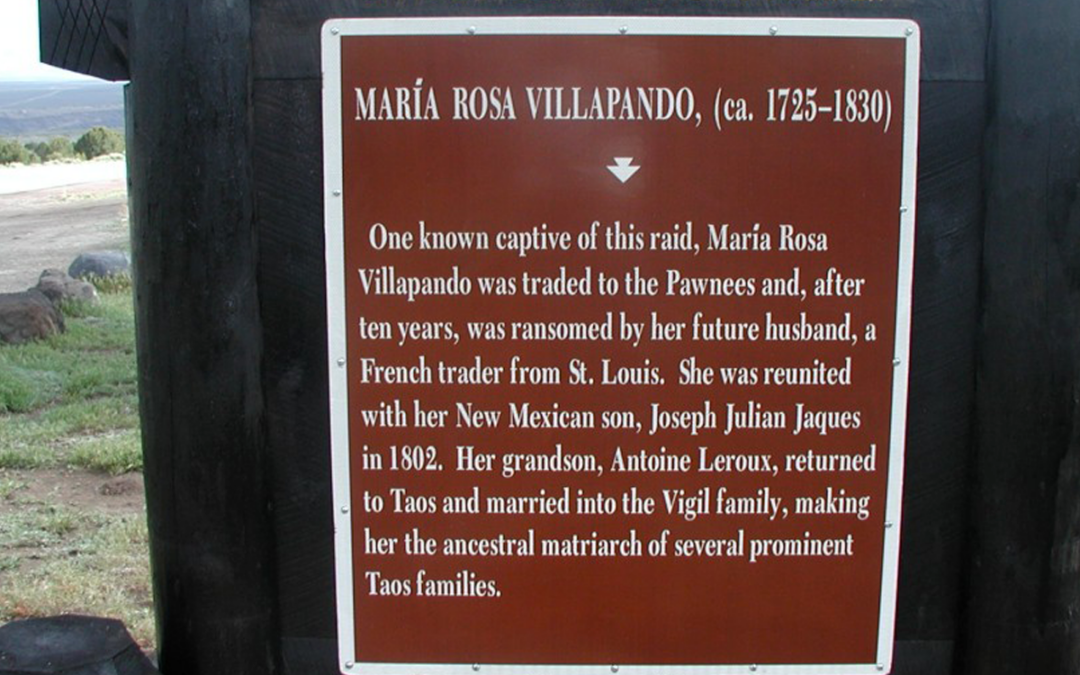
From the seventeenth century into the nineteenth century, raiding and trading human beings, especially women and children, occurred with regularity in New Mexico. Native Americans took and traded human captives among themselves as well as in the communities in...

by MyProject ByFranziska | Feb 11, 2023
Three Picuris women, Maria Ramita Simbola Martinez, Cora Durand, and Virginia Duran, helped to preserve the micaceous pottery tradition that remains important in Picuris and other nearby pueblos today. Picuris is a Tiwa speaking Pueblo located fifty-seven miles north...

by MyProject ByFranziska | Feb 11, 2023
Maria Montoya Martinez, Povika, “Pond Lily,” was a self-taught potter, who, with her husband, Julian Martinez, revived black pottery. In the late nineteenth century, pottery usage and production had been in decline as commercially produced goods became more common in...

by MyProject ByFranziska | Feb 11, 2023
María Gertrudis Barceló, known as “Doña Tules,” was one of the most infamous women in New Mexico history. Her opulent gambling house and saloon on Burro Alley in the heart of Santa Fe was known far and wide, as were her skills as a gambler. Born in the Bavispe Valley...


