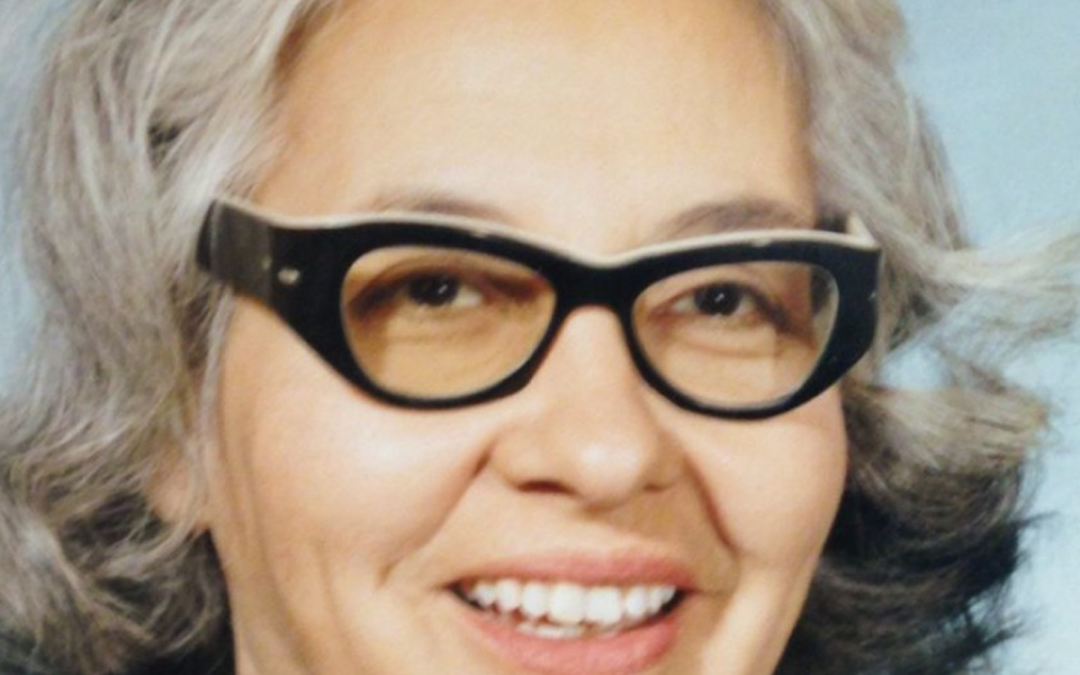
Maria Gutierrez Spencer
María Gutiérrez Spencer seems to have found her calling at age five on her very first day of school: Maria, who spoke only Spanish, could not follow the English instructions her teacher was giving her, and she was sent to the principal’s office. She would go on to...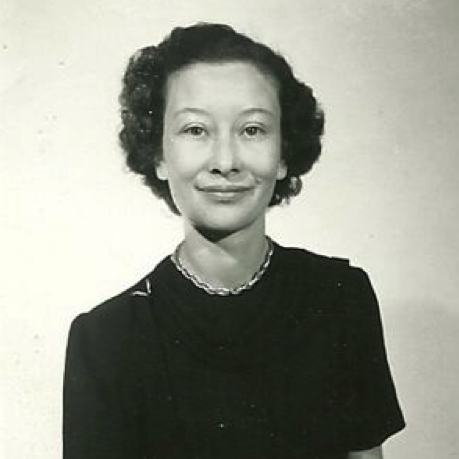
María Delores Gonzáales “La Doctora”
María Dolores Gonzáles devoted her life to the preservation of the Spanish language and bilingual education programs. Bilingual education programs aim to teach children in two languages, with proponents arguing that a child’s literacy in their home language correlates...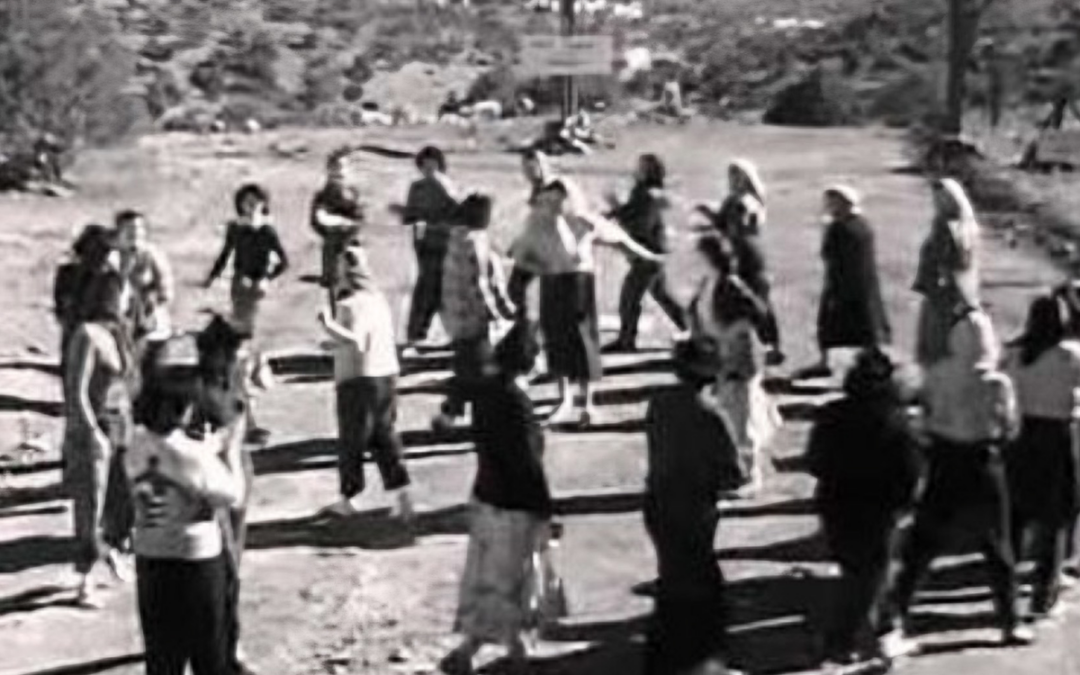
Ladies Auxiliary of Local 890
In the foothills of Pinos Altos, in the small town of Hanover by Silver City, Mexican-American miners walked out to protest unfair working conditions, initiating a strike that lasted from October of 1950 to January of 1952. The Ladies Auxiliary 890 is rightly credited...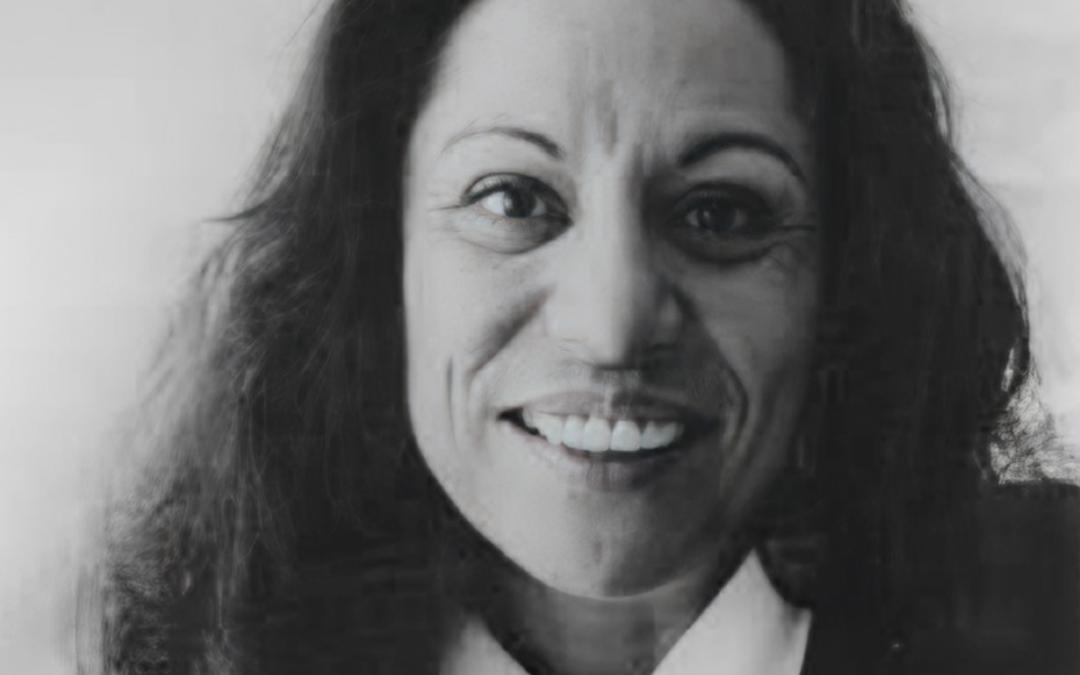
Graciela Olivárez
Graciela Olivárez, “Amazing Grace” to friends and colleagues, was the first woman to graduate from Notre Dame Law School, a remarkable achievement particularly given that she started work young and did not have the opportunity to earn her high school diploma. From her...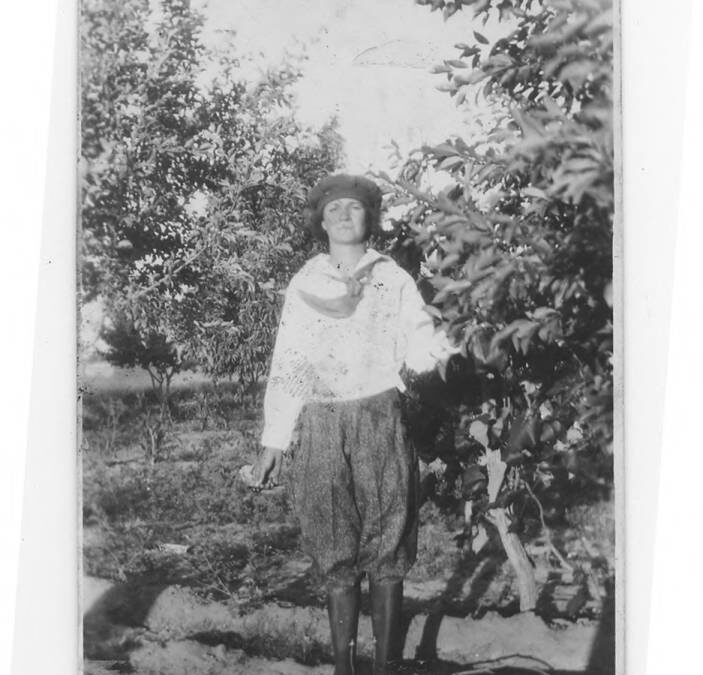
Dulcelina Salce Curtis
Dulcelina Salce Curtis was a hard-working visionary who spent her time in wise pursuits—teacher, agriculturalist, farmer, orchardist, and conservationist in flood control and surface water protection. Dulcelina, a lifelong resident of Corrales, gave generously of...
Dr. Annie Dodge Wauneka
Dr. Annie Dodge Wauneka was a politician and public health activist who worked tirelessly to reconcile differences between Western and Navajo traditions in healthcare, especially in the fight against tuberculosis. The daughter of prominent Navajo leader Henry Chee...
Carrie Wooster Tingley
Carrie Wooster was born in Bowling Green, Ohio, on May 20, 1877, to a wealthy family. Diagnosed with tuberculosis, which had stricken her father, she traveled to the southwest in 1911 with her mother. Intending to reach Arizona, mother and daughter left the train in...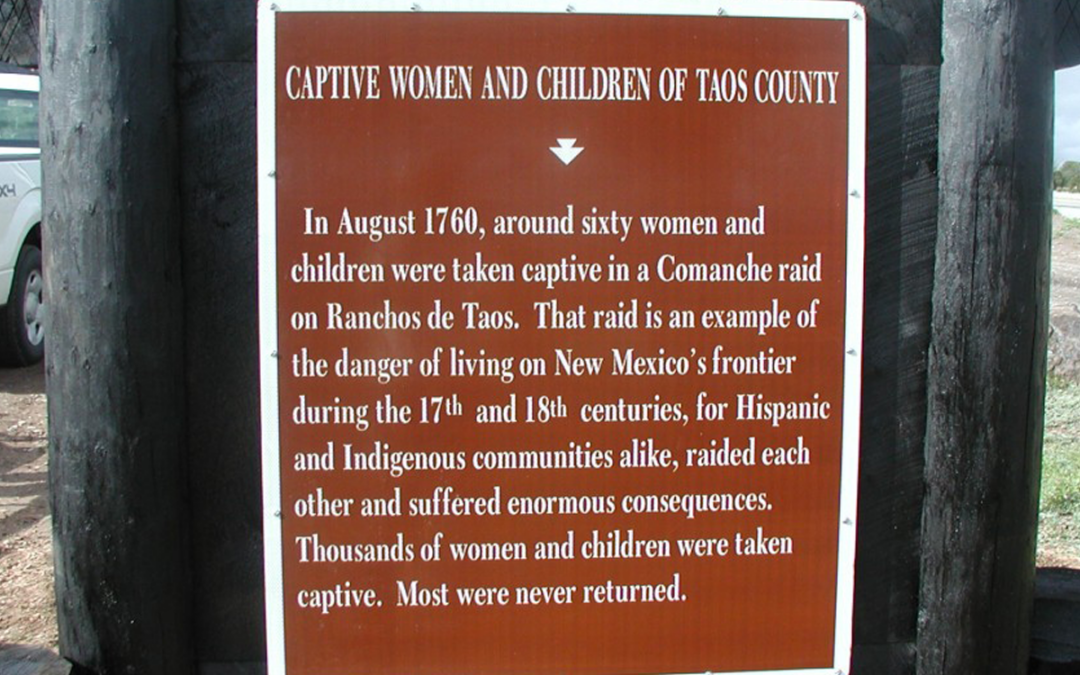
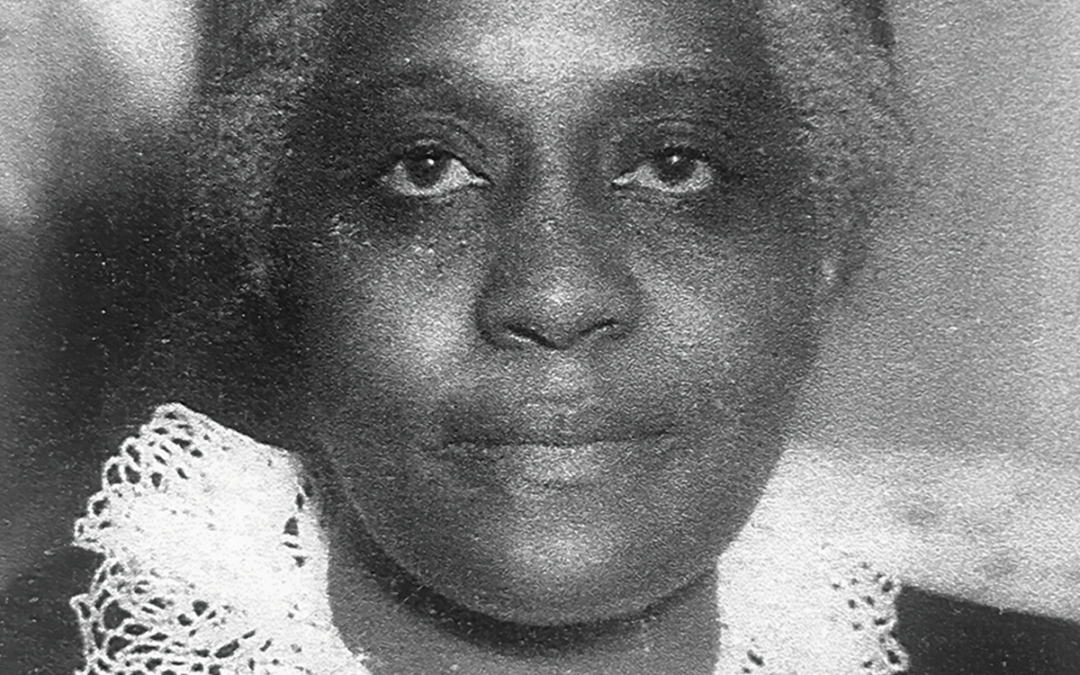
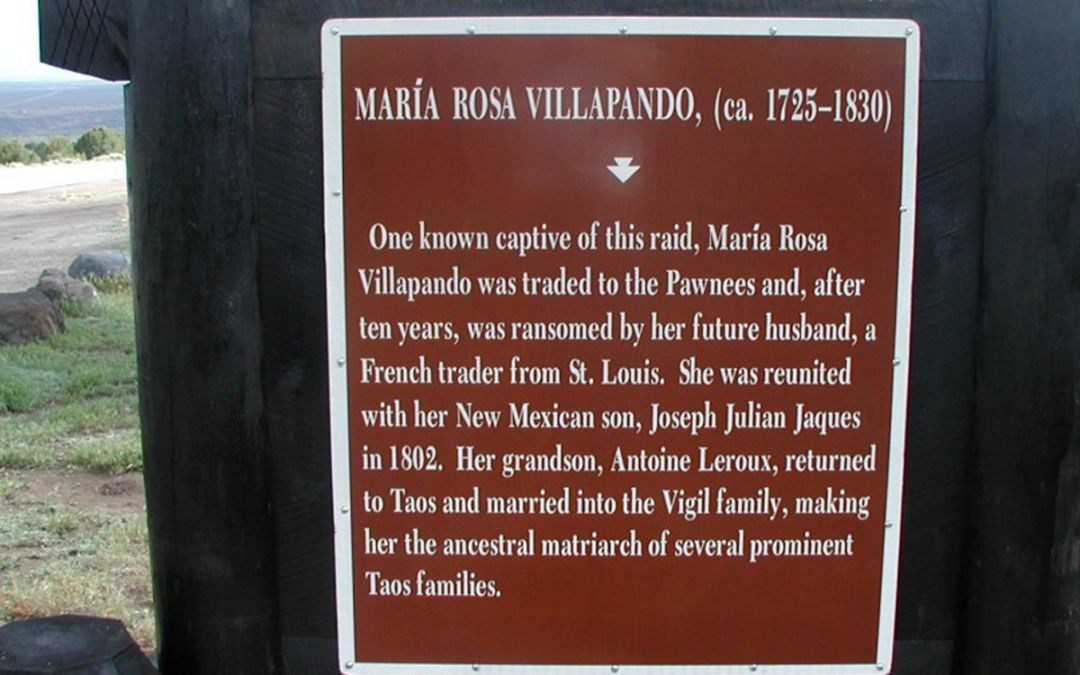
Captive Women and Children of Taos County
From the seventeenth century into the nineteenth century, raiding and trading human beings, especially women and children, occurred with regularity in New Mexico. Native Americans took and traded human captives among themselves as well as in the communities in...